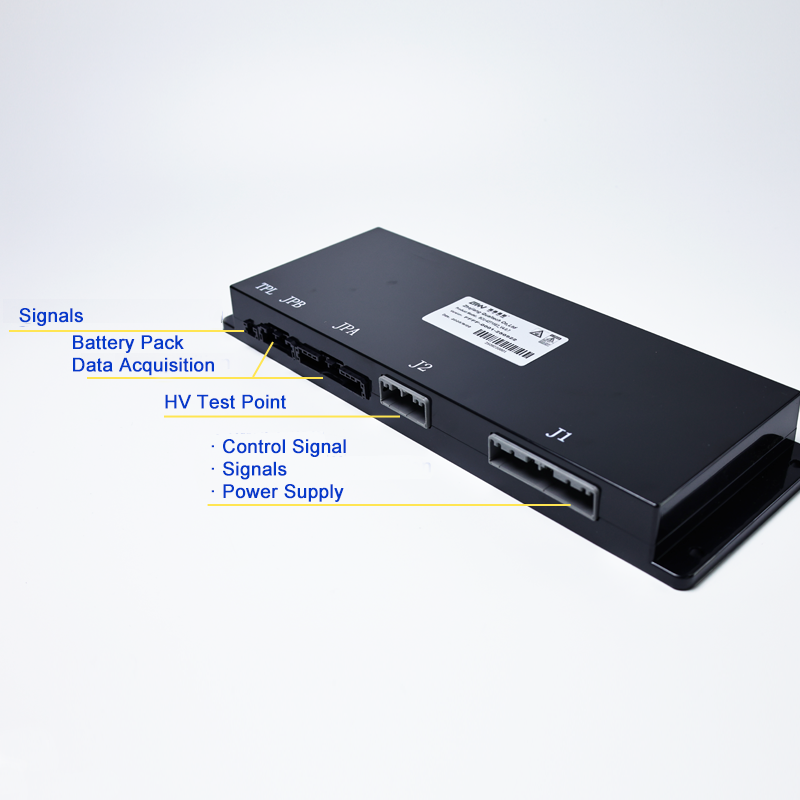
HANGZHOU, ZHEJIANG, CHINA, August 18, 2026 /EINPresswire.com/ — As lightweight electric mobility integrates into daily urban routines, safety standards for light electric vehicles have shifted from basic protection to rigorous global compliance. Navigating international safety certifications remains a focal point for manufacturers exporting electric bikes to North America or the European Union. In these competitive regulatory landscapes, choosing a hardware architecture that meets strict thermal, electrical, and structural guidelines is no longer optional.
Engineering teams now evaluate electronic control platforms through a comprehensive lens, prioritizing verified risk-reduction workflows and robust manufacturing standards over basic functional specifications. Within this rigorous market, finding an elite partner like a Top 10 Commercial Energy Storage System Supplier in China provides micro-mobility manufacturers with an established foundation of heavy-duty engineering expertise that translates directly into safer consumer products.
When selecting a China All-in-One eBike BMS Supplier, procurement and engineering teams need a verifiable evaluation framework. Traditional evaluation methods often overlook the deep architectural differences between standard consumer battery protection modules and true automotive-grade industrial control platforms. A reliable selection process relies on five critical technical verification steps to confirm that a supplier can deliver safe, integrated, and reliable electronic systems.
Step 1: Verification of Compliance with UL and International Safety Design Constraints
The primary step in evaluating a China-based all-in-one eBike BMS supplier involves checking their underlying engineering architecture against global safety standards, specifically UL 2849 and EN 15194. True compliance goes beyond passing a final product test; it requires a structured safety-first design philosophy embedded deep within the hardware and firmware layout.
Engineers must require suppliers to demonstrate the specific hardware shutdown logic of the battery management system under critical fault conditions. This includes looking at how the system behaves during sudden external short circuits, mosfet structural breakdowns, or accidental charging reverse-polarity events. A reliable supplier utilizes comprehensive Failure Mode and Effects Analysis (FMEA) and Failure Mode, Effects, and Criticality Analysis (FMECA) workflows during the early design phases to map out every potential hardware vulnerability.
Zhejiang Qualtech Co., Ltd. applies this rigorous industrial approach by using automotive development processes for its electric vehicle control lines. Because the company develops high-power management architectures under strict quality frameworks, these exact automotive-grade risk-mitigation strategies are adapted directly into smaller micro-mobility battery management platforms. By designing the electronic control units to withstand severe electrical stress from the start, Zhejiang Qualtech Co., Ltd. ensures that the hardware platform naturally meets the demanding design requirements of international safety standards.
Step 2: Confirmation of Functional Integration in All-in-One System Architectures
Physical space inside modern electric bike frames is highly limited, requiring electronic designs that maximize functional density. A high-quality all-in-one eBike BMS supplier must eliminate unnecessary external components, which reduces the physical footprint and lowers the risk of wiring harness connection failures.
A true integrated all-in-one architecture should combine several critical subsystems onto a single, compact printed circuit board assembly. These integrated features include onboard communication protocols such as UART or integrated Bluetooth modules, highly precise state-of-charge indicators, and direct peripheral interfaces for integrated lighting systems or pedal-assist sensors. By consolidating these separate subsystems, bike manufacturers can eliminate complex external PCB stacking and simplify the internal wiring layout of the vehicle.
As an established developer of advanced energy management systems, Qualtech designs highly integrated low-voltage power management platforms specifically for two-wheelers and electric vehicles. This multi-functional integration strategy removes the need for auxiliary control boards, saving valuable internal space while reducing potential points of failure across the electronic assembly.
Step 3: Validation of Intelligent Cell Balancing and State of Health Algorithms
The operational life and economic viability of a light electric vehicle battery pack depend directly on how precisely the individual lithium cells are managed over hundreds of thermal cycles. This is particularly important for commercial fleets and high-frequency delivery operations, where batteries experience continuous fast charging and deep discharging.
This operational requirement highlights the need for Intelligent Cell Balancing Systems for eBike applications. Rather than using fixed, unchangeable balancing methods, a sophisticated platform allows the balancing strategy to be customized based on the exact technical specifications of the selected lithium cells. Qualtech integrates these customizable cell management strategies into its light electric vehicle platforms. The control logic combines passive balancing mechanisms with advanced state-of-health estimation algorithms driven by open circuit voltage and differential capacity analysis. This mathematical tracking allows the system to accurately calculate cell degradation over time without requiring extensive processing power, helping commercial operators extend the usable lifespan of their battery assets.
Step 4: Assessment of Manufacturing Quality and Component Traceability
An excellent electronic design cannot overcome poor assembly practices on the factory floor. The fourth step in the selection process requires a detailed inspection of the supplier’s automated manufacturing lines, quality control testing equipment, and component tracking systems.
A high-quality all-in-one eBike BMS supplier must operate modern production facilities that handle surface mount technology, wave soldering, and automated coating processes under strict environmental controls. To ensure zero-defect production, the manufacturing line should include automated optical inspection and real-time X-ray inspection to check the integrity of every solder joint before final assembly. Furthermore, a complete Manufacturing Execution System is necessary to provide full component traceability, linking every finished board to its raw material batches and specific testing records.
Qualtech maintains these high production standards across its dedicated manufacturing facilities. The company operates high-speed surface mount technology lines, wave soldering systems, and automatic ultraviolet coating equipment, backed by strict international certifications including ISO 9001, IATF 16949, ISO 14001, and ISO 45001. By applying these rigorous quality management structures, Qualtech ensures that every manufactured unit delivers consistent, reliable performance in harsh real-world riding conditions.
Step 5: Evaluation of Real-World Calibration and Application Experience
The final step in selecting a long-term partner is evaluating their practical experience in system integration and field calibration. An eBike battery pack is a dynamic system that reacts to changing ambient temperatures, vibrations, and sudden load demands. A supplier with extensive field testing and real-vehicle calibration experience can anticipate and design around these real-world environmental variables.
Zhejiang Qualtech Co., Ltd. leverages its deep background as a supplier of specialized, refined, and new “little giant” enterprises to bring extensive field experience to the micro-mobility market. With more than three million sets of electric vehicle battery management systems delivered to date, the company utilizes an extensive library of field-testing data. This real-world experience enables engineering teams to optimize safety configurations, fine-tune overcurrent protection limits, and ensure stable performance across various riding conditions.
This depth of field calibration experience is also reflected in Qualtech’s partnership with established electric motorcycle manufacturers such as Zongshen. High-power two-wheel EVs place distinct demands on BMS platforms that differ from passenger car applications: higher instantaneous discharge rates to support rapid acceleration response, more compact physical packaging to fit within constrained vehicle space, and sustained reliability under variable conditions including outdoor parking exposure, rain ingress, and road vibration. Qualtech developed a customized BMS platform for Zongshen, matching SOC estimation strategies, thermal management thresholds, and communication protocols to the specific operating conditions, in order to meet the performance and safety requirements of high-power two-wheel electric vehicles.
When micro-mobility brands look for a reliable partner, selecting a compliance-focused all-in-one eBike BMS supplier requires evaluating their safety design principles, functional integration capabilities, intelligent cell balancing systems, IATF 16949 production standards, and real-world calibration history. Ensuring these technical capabilities are in place helps protect brand reputation and guarantees long-term product reliability in the global market.
To explore specific battery management system datasheets, engineering application notes, or custom integration options for your next project, contact Qualtech’s engineering team to request a product brochure or schedule a technical consultation. Visit https://www.qualtechenergy.com/ for more information.
ZheJiang Qualtech Co.,Ltd.
ZheJiang Qualtech Co.,Ltd.
+ +86 15013692485
email us here
Visit us on social media:
LinkedIn
Facebook
TikTok
X
Legal Disclaimer:
EIN Presswire provides this news content “as is” without warranty of any kind. We do not accept any responsibility or liability
for the accuracy, content, images, videos, licenses, completeness, legality, or reliability of the information contained in this
article. If you have any complaints or copyright issues related to this article, kindly contact the author above.

Media gallery