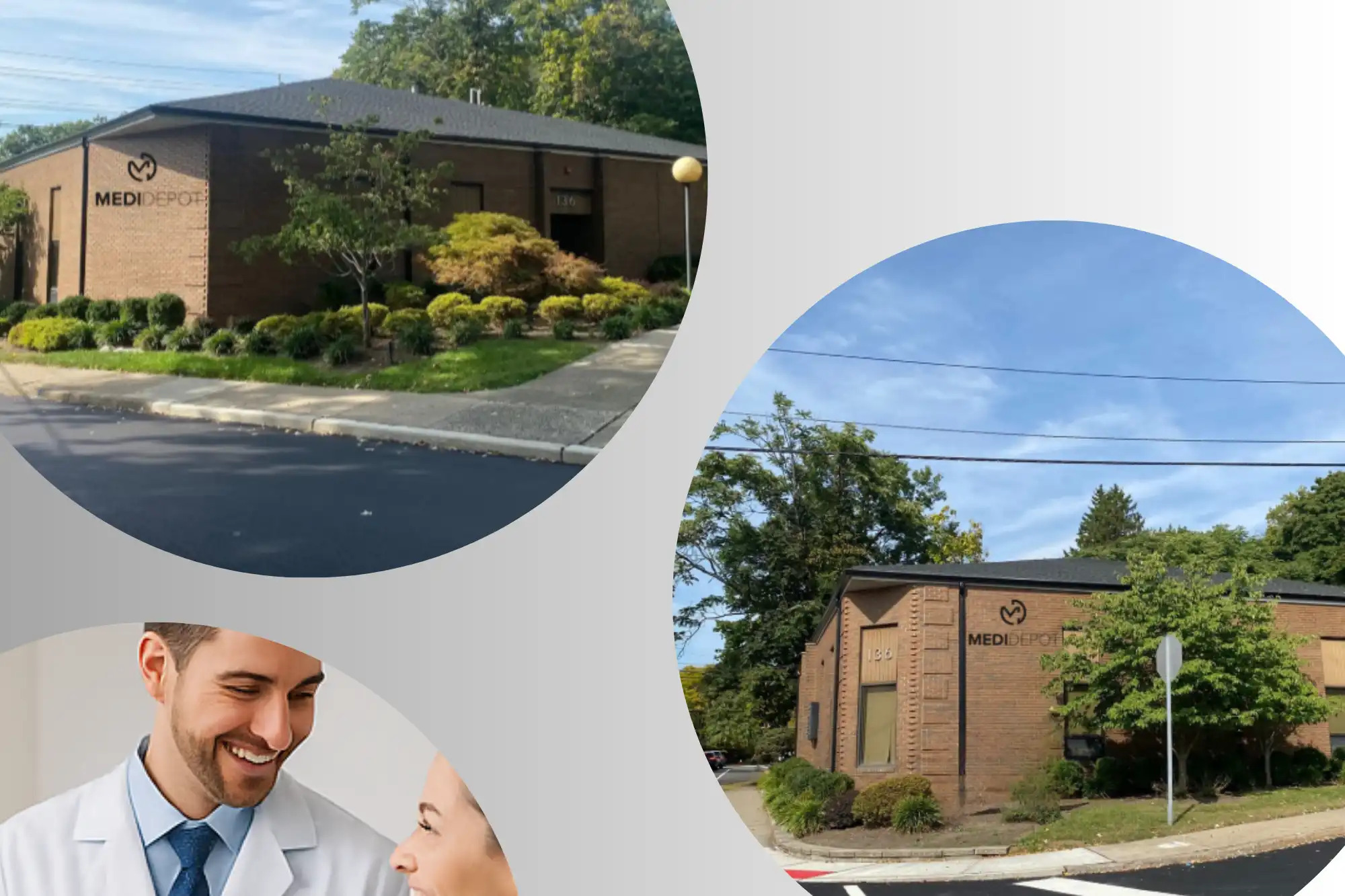
MediDepot explains how sterilization and infection control support patient safety, regulatory compliance, and efficient clinical workflows.
WOODCLIFF LAKE, NJ, UNITED STATES, July 20, 2026 /EINPresswire.com/ — MediDepot highlights how sterilization and infection control support safe clinical environments, regulatory compliance, and healthcare facility operations by strengthening infection prevention strategies across a wide range of care settings.
Hospitals, outpatient clinics, ambulatory surgery centers, dental practices, laboratories, and long-term care facilities routinely incorporate sterilization protocols into daily operations. As healthcare organizations prepare for increased patient activity during the back-to-school season, many facilities review sterilization workflows, hygiene practices, and equipment readiness to support consistent clinical care.
What is sterilization in healthcare?
Sterilization is the process of eliminating microorganisms from reusable medical instruments and equipment through validated procedures that support safe patient care. It remains a fundamental component of infection prevention programs across healthcare environments.
Effective infection prevention extends beyond sterilization alone. Healthcare organizations evaluate instrument processing workflows, environmental cleaning, surface disinfection, hand hygiene, personal protective equipment (PPE), and the reprocessing of reusable instruments as part of comprehensive infection control programs.
How do sterilization and infection control work together?
Sterilization eliminates microorganisms from reusable medical instruments, while infection control encompasses broader practices such as instrument processing, environmental cleaning, surface disinfection, hand hygiene, and contamination prevention. Together, these measures help reduce contamination risks, support patient safety, and maintain consistent clinical workflows.
Healthcare organizations also assess sterilization capacity, equipment reliability, workflow efficiency, equipment lifecycle planning, instrument turnaround times, regulatory compliance, and future operational requirements when selecting infection prevention solutions.
Laboratory autoclaves and sterilizers are commonly incorporated into instrument-processing workflows to support contamination control, reprocessing of reusable instruments, and efficient laboratory and clinical operations. Healthcare providers frequently consider equipment capacity, workflow integration, and long-term operational requirements when planning sterilization infrastructure.
Why is infection control important in clinical environments?
Effective infection prevention strategies help reduce the risk of healthcare-associated infections (HAIs), protect patients and healthcare personnel, maintain regulatory compliance, and promote consistent standards for clinical care.
Sterilization and infection control are integral components of healthcare facility planning, supporting laboratory operations, medical equipment lifecycle management, and efficient clinical workflows.
“Effective infection prevention depends on consistent sterilization practices, reliable equipment, and well-designed clinical workflows,” said David Basar, founder of MediDepot. “Evaluating sterilization processes alongside broader infection control strategies helps healthcare organizations strengthen patient safety, improve operational efficiency, and support long-term facility performance.”
MediDepot Equipment & Supply Store provides healthcare organizations with access to sterilization and infection control solutions, medical equipment, and educational resources that help healthcare professionals evaluate sterilization workflows, hygiene practices, and infection prevention strategies.
As healthcare providers prepare for increased patient visits during the back-to-school season, infection prevention, sterilization readiness, and clinical hygiene remain key priorities across hospitals, clinics, laboratories, dental practices, and other healthcare environments.
Healthcare providers, infection prevention teams, laboratory managers, procurement specialists, and practice administrators can learn more about sterilization and infection control solutions, laboratory autoclaves and sterilizers, and dental sterilization and infection control by exploring MediDepot’s resources on infection control and healthcare equipment.
About MediDepot
MediDepot is a U.S.-based medical equipment and supply platform founded in 2021 by Dr. David Basar. The company provides clinically informed access to certified medical equipment across categories such as medical refrigeration, diagnostics, laboratory, mobility, healthcare facility equipment, and home care. MediDepot supports healthcare professionals and individual buyers with transparent procurement processes, equipment purchasing resources, secure transactions, and nationwide fulfillment services.
David Basar
MediDepot Medical Equipment & Supply Store
+1 973-858-5049
support@medidepot.com
Visit us on social media:
Instagram
Facebook
YouTube
LinkedIn
Other
MediDepot: Your Trusted Partner for Medical Equipment & Healthcare Solutions | Clinical Experience
Legal Disclaimer:
EIN Presswire provides this news content “as is” without warranty of any kind. We do not accept any responsibility or liability
for the accuracy, content, images, videos, licenses, completeness, legality, or reliability of the information contained in this
article. If you have any complaints or copyright issues related to this article, kindly contact the author above.

Media gallery