Key Takeaways
- Inclined bed therapy (IBT) uses a gentle 5-8 inch bed elevation to work with gravity, improving blood circulation and reducing cardiovascular workload during sleep.
- A 2015 study with limitations showed that sleeping at an incline can increase stroke volume and lower heart rate, while gravitational positioning supports lymphatic drainage.
- This non-invasive approach may help with circulation issues and support better wound healing, though severe leg swelling may require additional interventions.
- While generally safe, individuals with glaucoma, certain heart conditions, or blood clot risks should consult their doctor before trying IBT.
- Adjustable beds offer the most practical way to achieve consistent inclined sleeping positions for optimal circulation benefits.
Poor circulation affects millions of people, leading to uncomfortable symptoms like leg swelling, cold extremities, and slow healing. While traditional treatments focus on medications and lifestyle changes, a simple sleep modification called inclined bed therapy is gaining attention for its potential to improve blood flow naturally during rest.
Inclined Bed Therapy Uses Gravity to Support Blood Flow
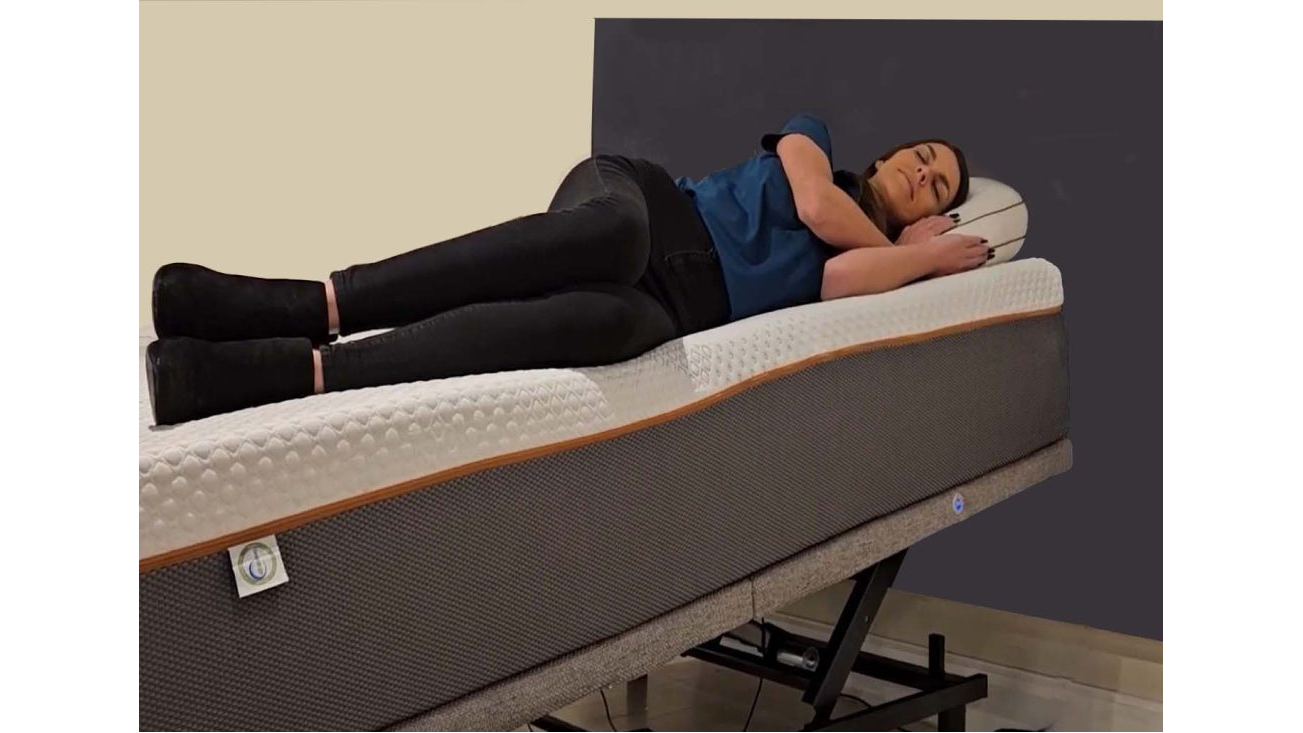
Inclined Bed Therapy involves raising the head of your bed by 5-8 inches to create a gentle slope from head to toe. The practice has historical roots dating back to ancient Egyptian beds, suggesting an age-old understanding of elevation’s health benefits.
Unlike sitting up in bed, which can create uncomfortable pressure points, IBT maintains your body’s natural sleeping alignment while providing the circulation advantages of elevation.
The gentle incline works continuously throughout your sleep cycle, potentially offering eight hours of circulation support without conscious effort. This passive approach appeals to people seeking non-invasive ways to address circulation concerns while maintaining comfortable sleep quality.
How a 5-8 Inch Incline Helps Your Circulatory System
Gravity Assists Venous Return to the Heart
When sleeping flat, your cardiovascular system works against gravity to return blood from your extremities back to your heart. The 5-8 inch incline creates a downward slope that assists this venous return process, making it easier for blood to flow back toward your heart from your legs and lower body.
This gravitational assistance can be particularly beneficial for individuals with poor circulation, as their hearts don’t have to work as hard to pump blood effectively throughout their bodies. The result is improved blood flow to organs and tissues, potentially reducing the cardiovascular workload during sleep when your body is supposed to be recovering.
Supports Lymphatic Drainage and Waste Removal
The lymphatic system relies heavily on movement and gravitational forces to drain waste products and support immune function. IBT supports this natural drainage process by positioning your body to work with gravity rather than against it.
Better lymphatic drainage helps remove metabolic waste that can accumulate in tissues, potentially reducing inflammation and supporting overall health. This waste removal system works continuously while you sleep, offering benefits that extend beyond just blood circulation.
Reduced Cardiovascular Workload During Sleep
Sleep should be a time when your cardiovascular system can operate more efficiently. The inclined position reduces the effort required for your heart to circulate blood effectively, potentially lowering your resting heart rate and allowing for more restorative sleep.
This reduced workload can be especially valuable for people with existing cardiovascular concerns or those who experience circulation problems that worsen during rest. The gentle assistance from gravity provides consistent support throughout the night without requiring conscious effort or lifestyle changes beyond sleep positioning.
Scientific Evidence Behind Inclined Sleeping
2015 Study Shows Improved Stroke Volume and Heart Rate
A 2015 research study on trunk posture and blood flow found significant cardiovascular improvements when participants’ upper trunks were tilted. The study showed higher stroke volume—the amount of blood pumped per heartbeat—and lower heart rate in inclined positions.
These findings suggest that inclined positioning helps maintain circulatory volume more efficiently than flat sleeping. The study had limitations, including a small sample size of only male participants, so the results provide preliminary support for the physiological principles behind IBT’s potential benefits for circulation.
Hospital Use Across Europe for Cardiovascular Support
European hospitals have incorporated IBT into patient care protocols, particularly for cardiovascular support. This medical adoption suggests that healthcare professionals recognize the therapy’s potential benefits and safety profile when properly implemented.
The hospital’s use of inclined positioning extends beyond circulation, with reported effects on respiratory function and overall patient comfort. This institutional adoption provides additional validation for IBT as a legitimate therapeutic approach rather than just an alternative health trend.
Specific Circulation Benefits You Can Expect
Circulation Support for Leg Issues
IBT may help with circulation-related leg issues by improving venous return from the lower extremities. The gravitational assistance helps blood flow more easily back toward the heart, reducing the pooling that can contribute to circulation problems.
For people who spend long hours standing or sitting, nighttime circulation support through IBT may help counteract the daily effects of gravity on leg circulation. However, severe leg swelling may require additional interventions beyond head elevation alone, and for optimal results with leg edema, the legs should ideally be elevated above the heart level.
Better Wound Healing and Tissue Recovery
Improved circulation supports faster wound healing by ensuring adequate oxygen and nutrient delivery to tissues. IBT’s circulation support may contribute to more efficient tissue repair and recovery processes that occur during sleep.
The improved blood flow can be particularly beneficial for people with diabetes or other conditions that affect healing. Better circulation helps transport immune cells and healing factors to injured or recovering tissues more effectively.
Improved Sleep Quality and Overall Health
Better circulation during sleep can contribute to overall sleep quality and morning alertness. When your cardiovascular system operates more efficiently during rest, your body may achieve more restorative sleep cycles.
A related study on sleeping at a 12-degree incline showed a 7% reduction in snoring duration and improved sleep metrics. While this research focused primarily on respiratory benefits, the improved sleep quality can indirectly support circulatory health and overall well-being.
Who Should Be Cautious with Inclined Sleeping
Glaucoma and Heart Condition Considerations
Individuals with glaucoma should exercise caution with IBT, as changes in head position can affect intraocular pressure. The elevation may influence fluid dynamics within the eye, potentially affecting this pressure-sensitive condition.
Certain heart conditions may also require medical evaluation before starting IBT. While the therapy generally reduces cardiovascular workload, specific cardiac issues might require individualized assessment to ensure safety and effectiveness.
Consult Your Doctor if Already at Risk for Blood Clots
People with elevated blood clot risk should discuss IBT with their healthcare provider before implementation. While improved circulation generally reduces clot risk, individual medical circumstances may require professional evaluation.
The inclined position shares some similarities with seated sleeping, which can sometimes increase clot risk in certain populations. Medical consultation ensures that IBT is appropriate for your specific health profile and circulation needs.
Adjustable Beds Make IBT Practical and Effective
Adjustable beds offer the most practical and comfortable way to maintain consistent inclined sleeping positions. Unlike makeshift solutions using pillows or bed risers, adjustable beds provide stable, customizable elevation that maintains proper spinal alignment.
Chiropractors and doctors increasingly recognize adjustable beds as viable solutions for better sleep and health outcomes. The ability to fine-tune your sleeping angle allows for personalized optimization of circulation benefits while maintaining comfort throughout the night.
Quality adjustable beds also allow for gradual adjustment, helping your body adapt to inclined sleeping over time. This flexibility makes IBT more accessible and sustainable as a long-term circulation improvement strategy.
Incline Sleep
4439 W Greenway Rd
Glendale
AZ
85306
United States

