Comprehensive Insights for Homeowners
Wyoming, United States – May 26, 2026 / Everdry Waterproofing of Greater Grand Rapids /
Carbon fiber foundation repair is a technically advanced method for addressing structural foundation issues, particularly instability of foundation walls. The technique employs high-strength carbon fiber materials to reinforce and stabilize walls, delivering tangible benefits for homeowners. This article examines the advantages of carbon fiber repair for foundations, explains how the method operates, and compares it with traditional approaches. Homeowners commonly confront foundation cracks, bowing walls, and water intrusion, conditions that can compromise property safety and value. Carbon fiber repair provides a dependable solution that reduces disruption while improving structural performance. The following sections detail the mechanics, effectiveness, and comparative performance of this repair approach.
First, many homeowners notice foundation problems as hairline cracks or doors that no longer close properly. These early symptoms can escalate when left unaddressed, making timely evaluation important. Carbon fiber reinforcement is frequently chosen where the goal is to stabilize and strengthen existing concrete or masonry without major excavation or lengthy disruption to the property. Because the material is thin, strong, and installed directly on the wall surface, it can be paired with other measures — such as interior drainage or localized patching — to create a comprehensive repair strategy tailored to the site.
Key Takeaways
- Carbon fiber foundation repair uses high-strength materials to reinforce and stabilize foundation walls effectively.
- This repair method offers durability, cost-effectiveness, and quicker installation compared to traditional foundation repairs.
- Carbon fiber straps counteract soil and water pressure, preventing further foundation wall movement or damage.
- Carbon fiber repairs require less invasive installation, minimizing disruption to landscaping and home routines.
- Carbon fiber is more durable than epoxy injections, resisting corrosion and environmental degradation over time.
- The expected lifespan of carbon fiber foundation repairs can exceed 20 years with proper installation and conditions.
- Combining basement waterproofing with carbon fiber repair enhances moisture control and overall foundation protection.
- Early signs of foundation issues include cracks, bowing walls, and uneven floors, warranting professional inspection.
- Regular maintenance and preventative measures like proper drainage help sustain foundation health after carbon fiber repair.
These takeaways summarize the practical reasons homeowners and contractors specify carbon fiber systems: they stabilize without major demolition, they integrate with moisture-control strategies, and they reduce the need for recurring interventions when installed correctly. For homeowners weighing options, this technology often represents a middle ground between cosmetic fixes and large-scale structural replacement.
The benefits of Carbon Fiber Foundation Repair for homeowners include:
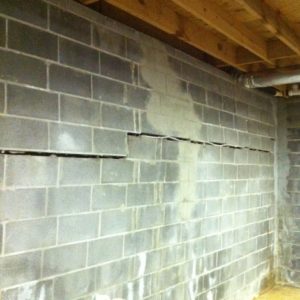 Carbon fiber foundation repair provides distinct advantages for homeowners addressing foundation problems.
- Durability : Carbon fiber materials are known for their exceptional strength and resistance to environmental factors, ensuring long-lasting support for foundation walls.
- Cost-Effectiveness : Compared to traditional repair methods, carbon fiber solutions often require less labor and time, resulting in lower overall costs for homeowners.
- Ease of Installation : The installation process for carbon fiber repairs is typically quicker and less invasive than other methods, allowing homeowners to return to their normal routines sooner.
When evaluating these benefits, consider site-specific conditions: soil type, existing water control measures, and the severity of wall movement all affect which approach will deliver the best long-term outcome. A carbon fiber system can be an excellent option where the primary objective is to halt lateral wall movement, restore stiffness to the wall, and avoid extensive exterior excavation.
For those seeking reliable foundation repair solutions, EverDry Waterproofing of Greater Grand Rapids specializes in carbon fiber foundation repair, ensuring quality and expertise in every project.
How Does Carbon Fiber Foundation Repair Work to Stabilize Basements?
The method applies high-strength carbon fiber materials to foundation walls to provide reinforcement and improve stability.
Mechanisms Involved
Installation involves bonding carbon fiber straps to foundation walls to resist soil and hydrostatic pressures. The straps redistribute lateral loads and reduce further movement or damage. Carbon fiber’s high tensile strength enables it to withstand significant forces, making it suitable for stabilizing bowed or cracked walls.
In practical terms, the system functions like a flexible external reinforcement layer: adhesive bonds the carbon fiber to the wall surface and, once cured, the laminate or strap works with the existing concrete to carry shear and bending loads. Proper surface preparation and correct adhesive selection are important for achieving a durable bond. Technicians typically remove loose material, level the local surface where necessary, and use compatible primers so the carbon fiber adheres reliably to the wall substrate.
Research supports the efficacy of carbon fiber in enhancing the structural integrity of concrete foundation beams.
Carbon Fiber Reinforcement for Concrete Foundation Beams
For several years Carbon Fiber Reinforced Polymer (CFRP) have been gradually replacing steel plates in the reinforcement of concrete structures that are damaged or need increased resistance. It has long been established that the addition of CFRP laminates to structures such as beams and slabs, increases their bending and shearing strength considerably. However, the behaviour of foundation beams with these reinforcements is not clear. The essential issue in the analysis of reinforced structures with composite materials is to understand the individual behaviour of each material and its interaction with the remaining ones. In this paper, bending and shearing strength of concrete foundation beams with CFRP reinforcement are analyzed through the study of their load capacity variation and beam deflections.
Strengthening and repair of concrete foundation beams with carbon fiber composite materials, PN Dominguez, 2012
What Is the Role of Carbon Fiber Straps in Foundation Reinforcement?
Carbon fiber straps serve as lightweight, high-strength reinforcement elements that provide effective support to foundation walls without adding substantial mass to the structure.
Studies have demonstrated the effectiveness of carbon fiber wrap in reinforcing shear walls and foundations, often in conjunction with other strengthening techniques.
Carbon Fiber Wrap for Shear Wall & Foundation Reinforcement
reinforcement, carbon fiber wrap, and reinforced concrete collars at the base of the wall. The were tested in the horizontal position, cantilevered out from a heavily reinforced foundation
Seismic retrofit of shear walls with headed bars and carbon fiber wrap, D Mitchell, 2003
Straps are selected for width and length depending on the wall geometry and the expected loads. They are bonded in vertical or near-vertical runs to intercept tensile stresses and reduce outward movement. Because straps are thin, they typically do not interfere with interior finishes, and when painted or covered they can be made visually unobtrusive. Technicians also consider termination details, edge treatments, and any necessary mechanical anchors to ensure the system performs as intended over time.
How Is the StablWall System Installed for Effective Wall Stabilization?
The StablWall system is a specific application of carbon fiber technology designed to deliver effective wall stabilization.
Installation Steps
Installation begins with a comprehensive inspection to assess damage extent. After assessment, technicians prepare the surface by cleaning and applying a bonding agent. Carbon fiber straps are then affixed to the walls to ensure secure support.
A typical installation sequence includes: detailed measurement and mapping of affected areas; removal of loose or deteriorated concrete; light sanding or grinding to create a sound bonding surface; application of primer or epoxy adhesive; placement and alignment of carbon fiber straps; and final finishing or protective coating. Technicians will often monitor cure times and verify adhesion before signing off. The process is designed to minimize dust and disturbance while ensuring a durable bond and a neat final appearance.
Benefits of Carbon Fiber Foundation Repair
Deploying the StablWall system increases the strength and durability of foundation walls. The method stabilizes existing defects and helps prevent future movement, providing a proactive solution for homeowners.
Beyond immediate stabilization, homeowners usually appreciate the minimal landscaping impact and faster completion times. Because straps do not require digging a full access trench, properties with limited exterior access or finished yards frequently benefit from a less invasive approach that still restores wall performance.
What Are the Key Advantages of Carbon Fiber Repair Compared to Epoxy and Other Methods?
 Carbon fiber repair provides multiple advantages over traditional epoxy and other foundation repair methods.
Indeed, the development of carbon fiber reinforced concrete has shown particular promise for effective patch repair applications.
Carbon Fiber Reinforced Concrete for Effective Patch Repair
carbon fibers on the fresh properties of self-consolidating concrete (SCC). The structural load results showed that the patch repair was most effective.
Development of carbon fiber reinforced self-consolidating concrete patch for repair applications, M Yakhlaf, 2013
Why Is Carbon Fiber More Durable Than Traditional Epoxy Injections?
Carbon fiber offers greater durability than conventional epoxy injections because of its superior tensile strength and resistance to environmental degradation. Whereas epoxy can crack or deteriorate, carbon fiber retains structural integrity and provides sustained support for foundation walls.
Epoxy injections are primarily intended to seal and bond cracks; they do not add significant bending stiffness to a wall in the same way as an externally bonded carbon fiber laminate or strap. In cases where the goal is to stop movement and restore the wall’s capacity to resist lateral soil pressures, carbon fiber provides a material mechanism to do so while remaining stable in many environmental conditions.
How Does Carbon Fiber Repair Minimize Disruption During Installation?
Carbon fiber repair systems require less invasive installation than many traditional approaches that necessitate extensive excavation. The reduced scope of work typically enables quicker completion and minimal interruption to household routines.
Typical installations avoid heavy machinery at the immediate foundation perimeter and reduce the need for large staging areas. This can be particularly helpful in tightly built neighborhoods or properties with mature landscaping where restoration after an extensive excavation would be time-consuming and costly.
What Maintenance and Prevention Tips Support Long-Term Foundation Health?
Ongoing maintenance is essential to prevent future foundation problems.
How to Monitor Foundation Conditions After Carbon Fiber Repair?
Conduct periodic inspections for signs of movement or damage. Observing wall conditions and the surrounding landscape helps identify potential issues at an early stage.
A simple monitoring routine involves photographing walls annually, checking interior drainage components such as sump pumps, and noting any new cracks or changes in existing cracks. Keeping a log of observations helps professionals compare conditions over time and decide when further action is warranted.
What Preventative Measures Reduce Future Foundation Damage Risks?
Implement preventative measures such as proper drainage, grading landscaping away from the foundation, and scheduled inspections to reduce the risk of future foundation damage. Proactive steps protect the homeowner’s investment and support long-term performance.
Seasonal maintenance includes clearing gutters and downspouts in the fall and ensuring irrigation systems do not overwater near the foundation during dry months. Ensuring that heavy vegetation with invasive root systems is placed away from the foundation also reduces long-term pressure and moisture variation around the footings.
To further protect your home, consider mold prevention strategies, which can help maintain a healthy living environment.
Additionally, understanding the importance of E-Z Breathe systems can significantly improve indoor air quality and reduce moisture-related issues in your basement.
For homeowners in various locations, EverDry’s service area ensures that quality foundation repair and waterproofing solutions are accessible.
Frequently Asked Questions
What types of foundation issues can carbon fiber repair address?
Carbon fiber foundation repair is effective for structural issues such as foundation cracks, bowing walls, and water intrusion. These conditions commonly result from soil movement, moisture buildup, or inadequate drainage. Reinforcing walls with carbon fiber stabilizes structures and helps prevent further deterioration, particularly in high‑moisture areas or where traditional methods may be less suitable.
In situations where the wall is active and moving, carbon fiber is used to arrest that movement and restore stiffness. For non-structural, purely cosmetic cracks, other approaches may suffice; a professional assessment determines the correct remedy.
How long does the installation of carbon fiber foundation repair take?
Installation is generally faster than conventional methods and often ranges from several hours to a few days, depending on the extent of damage. The process includes foundation assessment, surface preparation, and application of carbon fiber straps. Because the method is less invasive and typically avoids extensive excavation, homeowners can expect minimal disruption.
Simple, localized installations are often completed within a day, while larger jobs that require extensive surface preparation, combination waterproofing, or multiple wall sections can extend to several days. Always confirm expected timelines with the contractor before work begins.
Are there any maintenance requirements after carbon fiber repair?
Post-installation maintenance is minimal. Homeowners should inspect for new cracks or wall movement and maintain proper drainage and landscaping to prevent water from directing toward the foundation. Regular checks and preventative actions can extend the service life of the carbon fiber reinforcement.
If the repair is combined with interior drainage or a sump pump, those components should be checked at least annually. Keep documentation of the repair and any warranty information in case follow-up service is required.
Can carbon fiber foundation repair be used in conjunction with other methods?
Yes. Carbon fiber repair can be combined with other approaches, such as basement waterproofing, to address both structural integrity and moisture control. Integrating waterproofing measures helps prevent water damage and enhances overall foundation protection.
Combining methods is common: carbon fiber for structural stabilization paired with drainage and sealing to control moisture. The combined approach reduces the likelihood of recurring structural stress caused by wet soils.
What should homeowners look for when choosing a contractor for carbon fiber repairs?
When selecting a contractor, evaluate experience, relevant certifications, and customer reviews. Choose a company with a demonstrated history of foundation repair projects. Request references and confirm warranty terms. A reputable contractor will perform a thorough inspection before recommending solutions.
Ask for examples of recent projects similar to yours, inquire about installer training specific to carbon fiber systems, and confirm that the scope of work and warranty are included in the written estimate. Clear communication and a documented plan reduce misunderstanding and improve outcomes.
Is carbon fiber foundation repair suitable for all types of homes?
Carbon fiber repair is suitable for many homes, especially those with bowing walls or visible cracks. Suitability depends on the severity of the foundation issues and the home’s overall condition. Consult a foundation specialist who can assess the situation and recommend the most appropriate course of action.
Severe structural failure, widely displaced foundations, or conditions requiring full wall replacement may not be candidates for carbon fiber alone. A qualified inspector can identify when carbon fiber is the right solution and when additional measures are required.
Conclusion
Carbon fiber foundation repair provides homeowners with a durable, cost-effective option for addressing structural issues while minimizing disruption. By employing high-strength materials, the method resolves existing problems and helps prevent future damage, thereby improving the long-term integrity of the home. Homeowners facing foundation challenges may find that carbon fiber solutions deliver measurable protection and peace of mind. Discover how EverDry Waterproofing can assist you in achieving a secure foundation today.
Engaging a qualified contractor early, combining structural reinforcement with moisture control, and following a routine maintenance plan are practical steps homeowners can take to protect their investment. With the right assessment and execution, carbon fiber systems are a strong part of a complete foundation repair strategy.


Contact Information:
Everdry Waterproofing of Greater Grand Rapids
5273 Division Ave S
Wyoming, MI 49548
United States
Rob VanSuilichem
(616) 406-0808
https://www.everdrygrandrapids.com