TIANJIN, TIANJIN, CHINA, May 15, 2026 /EINPresswire.com/ — The global construction and infrastructure industry increasingly depends on a China construction steel OEM manufacturer capable of delivering stable, standardized, and scalable steel materials for large-scale engineering projects. As urbanization accelerates, demand for structural steel products has expanded across transportation networks, industrial facilities, commercial buildings, and energy infrastructure. In this environment, steel manufacturers are no longer evaluated only by production capacity, but also by processing capability, quality consistency, and supply chain integration.
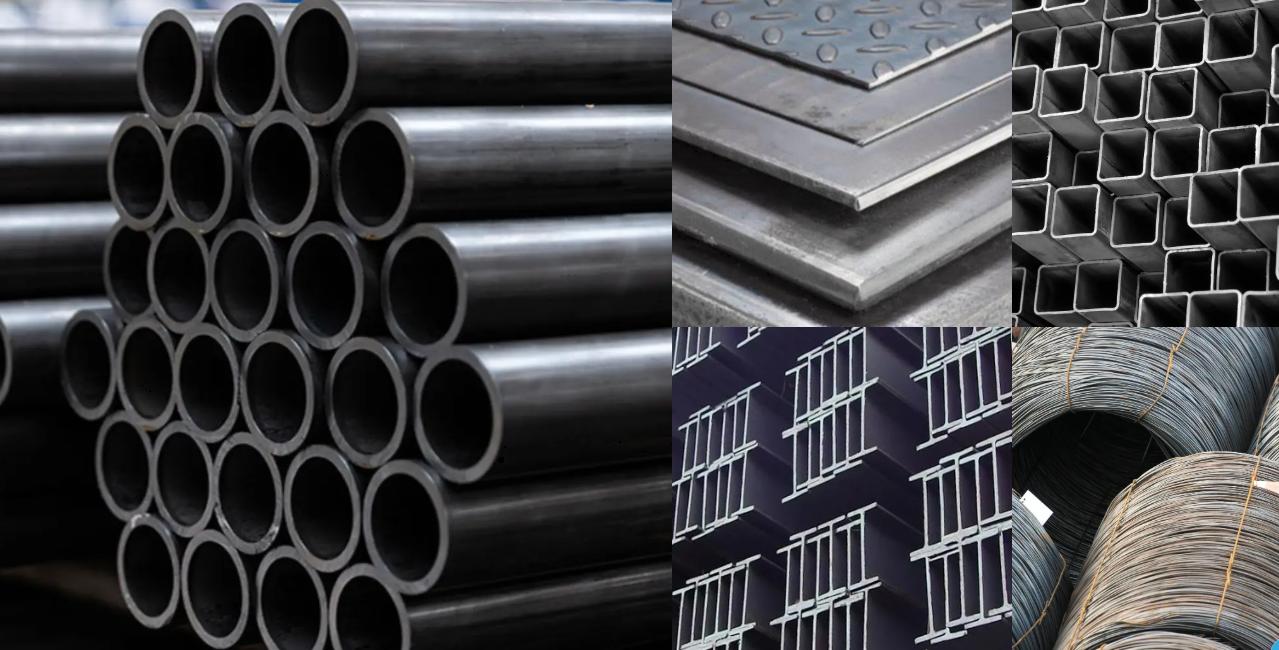
Royal Group operates within this evolving industrial framework as a steel manufacturing and supply enterprise focused on construction-grade steel products. According to its company profile and product catalog information, the group provides a wide range of steel materials, including structural steel, steel pipes, steel plates, galvanized steel, carbon steel products, and processed steel components for engineering applications. These materials are widely used in construction projects, industrial manufacturing, and infrastructure development across global markets.
Global demand shift in construction steel and infrastructure development
The construction steel industry is closely tied to global economic development and infrastructure investment cycles. In recent years, government-led infrastructure programs, industrial expansion, and urban redevelopment projects have driven steady demand for high-strength steel materials.
Structural steel plays a critical role in modern engineering due to its load-bearing capacity, durability, and adaptability in complex architectural designs. From bridges and highways to high-rise buildings and energy facilities, steel remains a foundational material in construction engineering.
At the same time, global procurement strategies have become more centralized and standardized. Engineering contractors and project developers increasingly require steel suppliers that can meet international quality benchmarks, provide consistent batch production, and support customized specifications for different project environments.
This shift has elevated the importance of OEM steel manufacturing models, where production flexibility and engineering support are as important as raw material output.
Royal Group’s industrial foundation and product system
Royal Group has developed its production and supply capabilities around a broad portfolio of construction steel products. Based on its catalog structure, the company covers multiple categories of steel materials used in infrastructure and industrial construction.
These include structural steel profiles, steel pipes and tubes, steel coils, steel plates, galvanized steel products, and carbon steel materials. Each category serves different engineering requirements, from load-bearing frameworks to pipeline systems and surface-protected building materials.
Structural steel products are widely used in building frameworks and heavy infrastructure due to their mechanical strength and stability. Steel pipes and tubes are commonly applied in fluid transportation systems, construction supports, and industrial equipment structures. Galvanized steel and coated steel products provide corrosion resistance, making them suitable for outdoor and high-moisture environments.
The diversity of product categories allows Royal Group to support multi-layered construction supply needs, ranging from residential projects to large-scale industrial infrastructure.
OEM manufacturing model in construction steel supply chain
The OEM model has become increasingly important in the global steel supply chain. Construction projects often require steel materials tailored to specific engineering designs, including dimensional adjustments, surface treatments, and mechanical property requirements.
Royal Group operates within this OEM-oriented supply framework by supporting steel processing and customization based on project specifications. This includes cutting, shaping, and processing steel materials into application-ready formats for downstream construction use.
In modern infrastructure development, OEM steel manufacturing is not limited to production alone. It also includes coordination with engineering contractors, logistics planning, and compliance with regional construction standards. This integrated approach helps reduce procurement complexity and improves project execution efficiency.
As global infrastructure projects become more technically demanding, OEM steel suppliers play a key role in bridging raw material production and engineering application requirements.
Manufacturing capability and supply chain structure
A key factor in construction steel competitiveness is production scale and supply chain reliability. Royal Group operates within a manufacturing and distribution framework designed to support bulk orders and continuous supply requirements.
Steel production for infrastructure projects requires strict control over material composition, tensile strength, and dimensional accuracy. Consistency across large batches is essential for structural safety and engineering reliability.
In addition to production capability, logistics and distribution efficiency are critical in global steel trade. Construction projects often operate on tight timelines, requiring coordinated delivery schedules and stable inventory availability. As a result, steel suppliers with integrated production and export systems are better positioned to support international engineering procurement.
Royal Group’s operational structure reflects this industry requirement by focusing on scalable production and multi-category steel supply coordination.
Application scenarios across global infrastructure projects
Construction steel products supplied through OEM manufacturing channels are used across a wide range of infrastructure applications.
In transportation infrastructure, steel is used in bridges, rail systems, tunnels, and highway structures. In industrial construction, it is applied in factories, warehouses, and energy facilities. In urban development, steel materials form the structural backbone of commercial buildings and residential high-rises.
Steel pipes and tubes are widely used in utility systems, including water transport, gas pipelines, and mechanical support frameworks. Galvanized and coated steel materials are commonly used in outdoor environments where corrosion resistance is required.
These application scenarios demonstrate the central role of steel in modern infrastructure systems and highlight the importance of reliable supply chains capable of meeting diverse engineering requirements.
Industry trends shaping global steel procurement
Several key trends are influencing the global construction steel industry. First, infrastructure investment continues to expand in emerging markets, driving long-term demand for structural steel materials. Second, sustainability requirements are pushing manufacturers toward more efficient production processes and improved material utilization.
Third, digitalization in construction procurement is increasing transparency in supply chains, allowing buyers to evaluate suppliers based on quality certifications, production traceability, and delivery performance. This trend is encouraging steel manufacturers to adopt more standardized production systems and quality control frameworks.
Finally, global supply chain resilience has become a priority. Engineering companies are increasingly diversifying their supplier base to reduce risk and ensure stable material availability for large-scale projects.
Within this environment, OEM steel manufacturers with integrated production and export capabilities are expected to maintain a strong position in the global construction supply ecosystem.
Conclusion
The development of global infrastructure continues to rely heavily on reliable construction steel supply chains. Structural steel, steel pipes, galvanized materials, and processed steel components remain essential to modern engineering projects across transportation, industrial, and urban sectors.
Royal Group operates within this context as a China construction steel OEM manufacturer with a diversified product portfolio and a focus on engineering-oriented steel supply. Through its range of structural steel products and OEM processing capabilities, the company aligns with global trends toward standardized, scalable, and application-specific steel manufacturing.
As infrastructure development continues to expand worldwide, the role of integrated steel suppliers will remain central to supporting efficient and reliable project execution in the global construction industry.
Royal Group
Royal Group
+86 136 5209 1506
sales01@royalsteelgroup.com
Legal Disclaimer:
EIN Presswire provides this news content “as is” without warranty of any kind. We do not accept any responsibility or liability
for the accuracy, content, images, videos, licenses, completeness, legality, or reliability of the information contained in this
article. If you have any complaints or copyright issues related to this article, kindly contact the author above.

Media gallery